Delhi
- Location: Northern India, situated on the banks of the Yamuna River.
- Status: National capital territory of India and a major political, cultural, and commercial center.
- Population: Over 30 million in the metropolitan area, making it one of the largest urban agglomerations in the world.
- Languages: Hindi and English are widely spoken; several regional languages are also
- present.
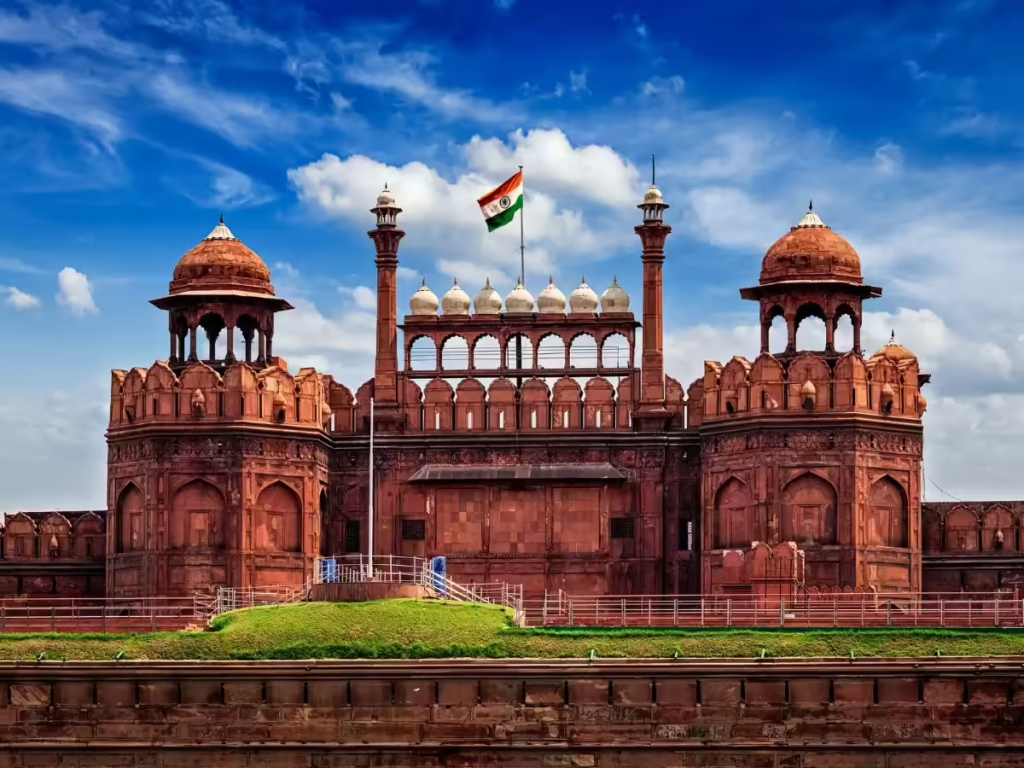
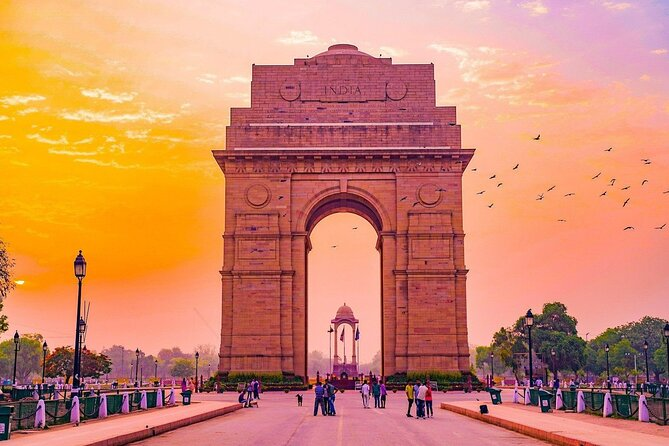
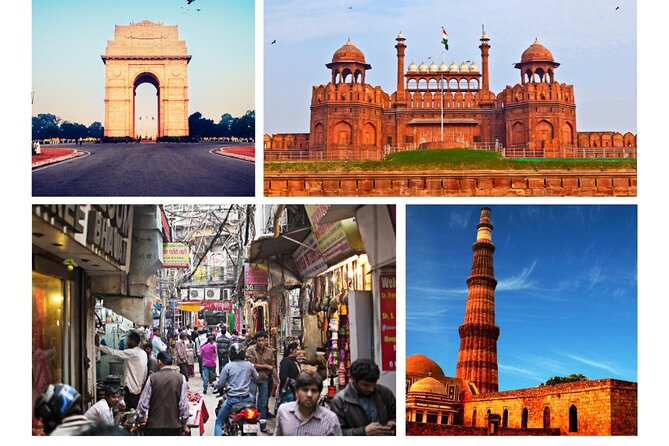
- Historical Significance: Delhi has been the seat of several empires, including the Mughals, and hosts historic monuments like the Red Fort, Qutub Minar, and India Gate.
- Economy: Diverse economy with IT, telecommunications, media, tourism, and manufacturing sectors.
- Transport: Extensive metro network, buses, and Indira Gandhi International Airport.
If you want, I can also give a short travel guide with must-see attractions, food spots, and
Here are some photos showing the beauty and landmarks of Delhi — from historic monuments to city views:
As of the most recent estimates in 2026, the population of Delhi is approximately 32 million people in the National Capital Territory (NCT). This makes it one of the most densely populated cities in the world.
- The urban population (New Delhi + surrounding metropolitan areas) is around 28–30 million.
- Delhi has been experiencing rapid growth due to migration, economic opportunities, and urban expansion.
For reference, Delhi’s population density is over 11,000 people per square kilometer, making it significantly denser than most Indian cities.
It looks like you meant Delhi pollution. Delhi is infamous for its high levels of air pollution, which is a major public health concern. Here’s a detailed overview:
1. Air Pollution Levels
PM10 levels (slightly larger particles) also regularly exceed safe limits.
Delhi often ranks among the most polluted cities in the world.
PM2.5 levels (fine particulate matter that can penetrate deep into the lungs) often exceed 300–400 µg/m³ during winter, whereas the WHO safe limit is ≤15 µg/m³ annual average.
2. Major Causes
- Vehicle emissions – Cars, trucks, and buses release large amounts of nitrogen oxides and particulates.
- Construction dust – Rapid urbanization produces huge amounts of dust.
- Industrial emissions – Factories around Delhi contribute to smog.
- Crop burning – Seasonal agricultural fires in Punjab and Haryana (Oct–Nov) worsen air quality.
- Household pollution – Coal and biomass burning in nearby areas adds to particulate matter.
Leave a Reply